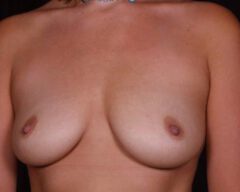
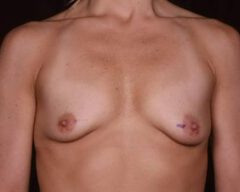
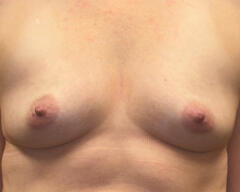
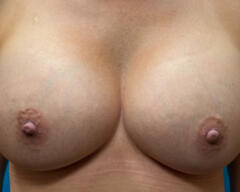
Implant Size
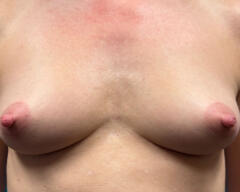
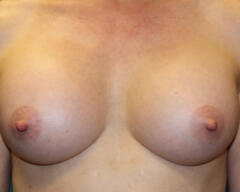
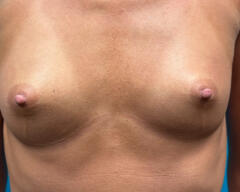
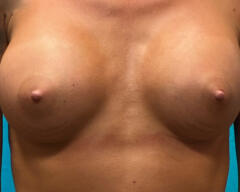
Implant size is the most important factor when designing your breast augmentation. Implants are measured in cubic centimeters (cc) rather than the cup sizes you’re probably more familiar with, but generally speaking, 150 cc to 200 cc equals about one cup size. Of course, this can vary depending on multiple factors, such as frame, implant profile and your existing breast tissue. To help you select the right size for your goals and body, we use sizing inserts from Mentor, which you can try on to get a sense for the look and feel of different implants.
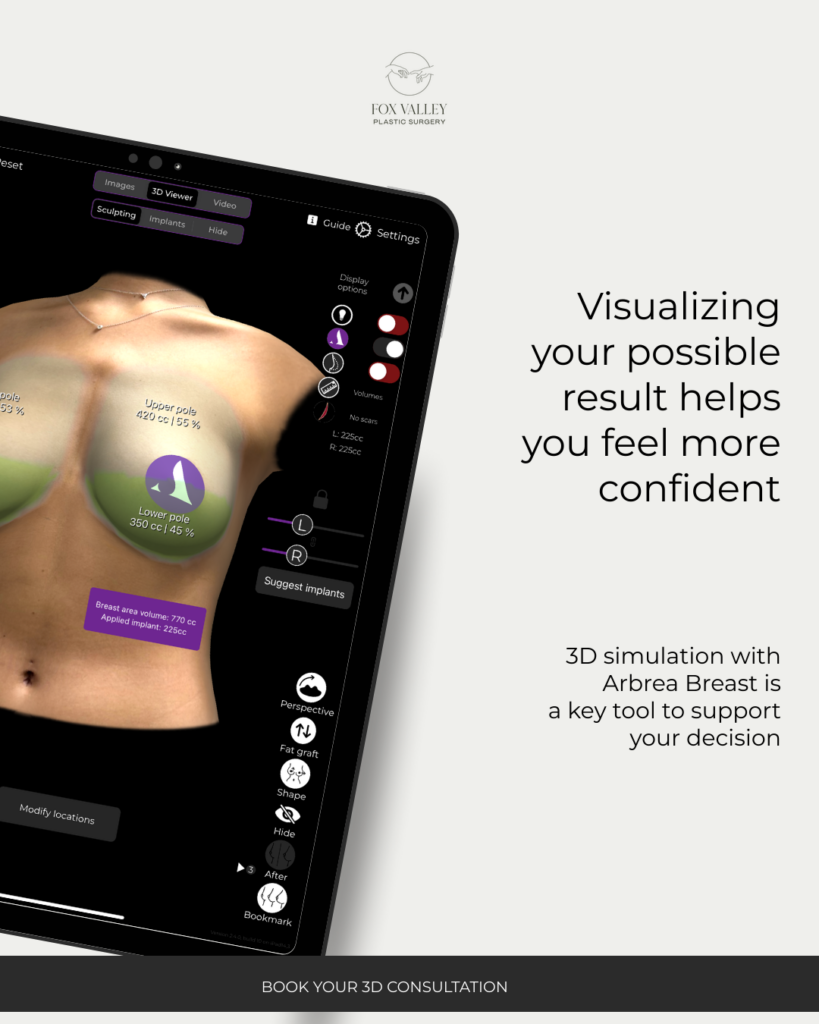
At Fox Valley Plastic Surgery, you’ll work closely with our experienced nurses to find the right implant size at a sizing visit. We may also use the Arbrea 3D Breast Simulator or Vectra 3D Imaging System to help you visualize your new breast implants. This advanced technology creates a digital model of your body, allowing you to preview your potential results. You can simulate various options in implant sizing and profile and see how variables like projection, chest width and placement affect your final outcome. No other practice in the area offers these powerful tools.
Implant Type
When it comes to breast implants, you have two main options: saline and silicone. Both are FDA-approved and have been used safely for decades, but they differ in feel and appearance.
Saline implants are FDA-approved for women 18 and older and filled with sterile saltwater. One advantage is that if a rupture ever occurs, your body simply absorbs the saline without any health concerns. These implants can also be filled during surgery, which sometimes allows for a smaller incision. However, saline tends to feel firmer than natural breast tissue and may show more visible rippling, particularly when placed above the muscle in patients with less breast tissue to cover the implant.
Silicone implants are FDA-approved for women 22 and older and filled with a cohesive gel that mimics natural breast tissue. Most patients and surgeons agree that silicone provides a more natural look and feel, which is why it’s become the most popular choice. The trade-off is that silicone ruptures can be harder to detect since the gel tends to stay in place rather than being absorbed.
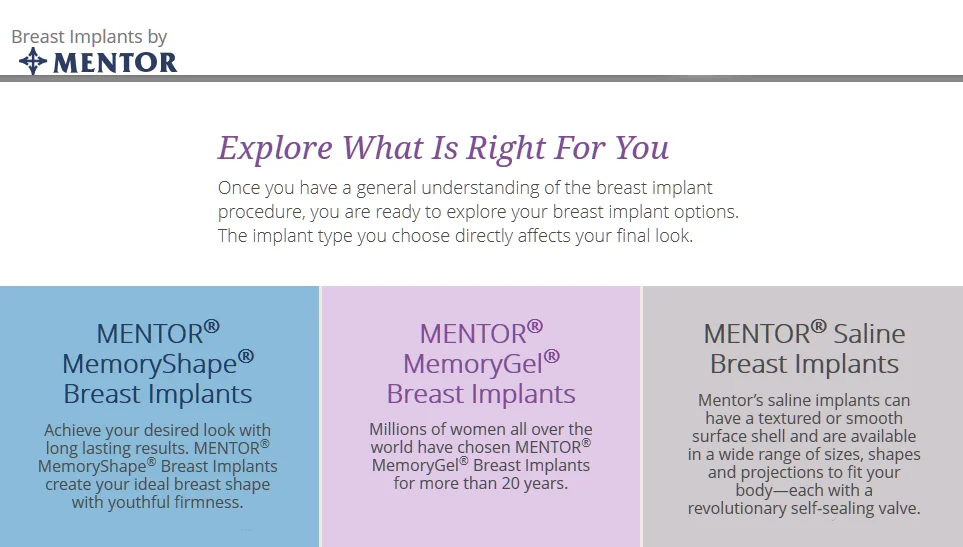
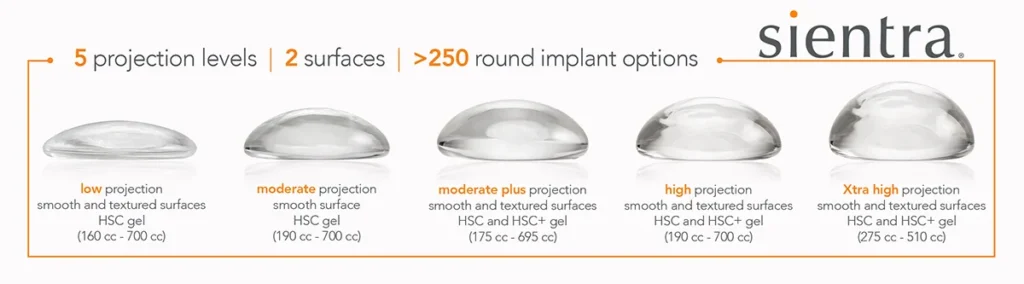
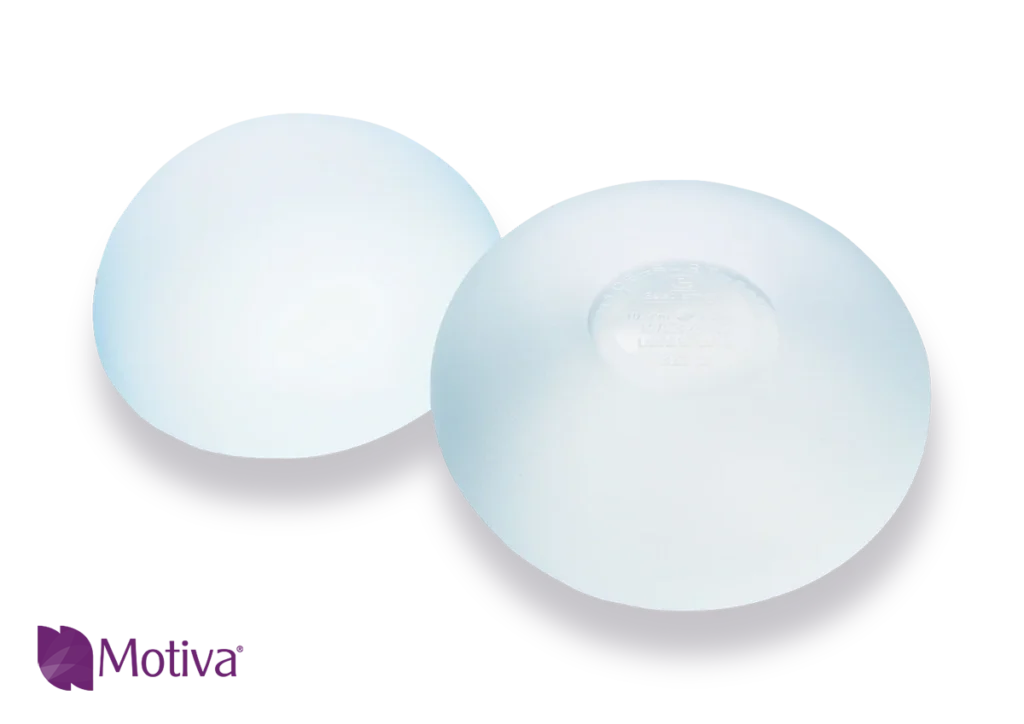
At Fox Valley Plastic Surgery, we offer implants from Mentor, Sientra and Motiva. During your consultation, you can feel the difference between implant types, review long-term studies and examine quality information to make an informed decision.
Implant Profile
Profile refers to how far the implant projects forward from the chest wall. Two implants can have the same volume but look quite different depending on their profile. A lower profile implant spreads wider across your chest with less forward projection, while a higher profile implant has a narrower base and projects more.
Your chest width, body frame and goals all play a role in determining which profile works best. Women with narrower chests often benefit from higher profile implants to achieve their desired volume without the implant extending beyond their natural breast boundaries. Those with wider chests may find that moderate or low profile options create a more proportional result.
Implant Placement
Breast implants can be positioned either above the chest muscle (subglandular) or beneath it (submuscular).
Submuscular placement tends to create a more natural slope off the upper breast. The muscle holds the implant down along the inner and upper portions, preventing that rounded, “ball-like” appearance that can look artificial. About 90% of patients at Fox Valley Plastic Surgery want results that don’t announce themselves. They want to feel more feminine and confident without anyone knowing they’ve had surgery, and going under the muscle helps achieve that.
Some patients are better suited for placement above the muscle. Athletes, competitive bodybuilders and fitness models, for example, may prefer this approach because flexing the pectoral muscle can temporarily change the shape of a submuscular implant. If you’re frequently on stage flexing, this “animation deformity” might be a concern worth discussing.
Implant Incisions
With breast augmentation, incisions are typically four to five centimeters long (about two inches) and placed in the natural breast crease. As your implants settle over the following months, this incision actually rises slightly and becomes even less visible. We use FDA-approved silicone-based products (Strataderm) to optimize healing and minimize scarring.